The same voices who spent nearly three years branding every Israeli strike against Hamas a “genocide” are now slamming Israel for striking Hezbollah in Lebanon. The Jewish state, they say, is sabotaging President Trump’s potential Iran deal.
What Actually Happened
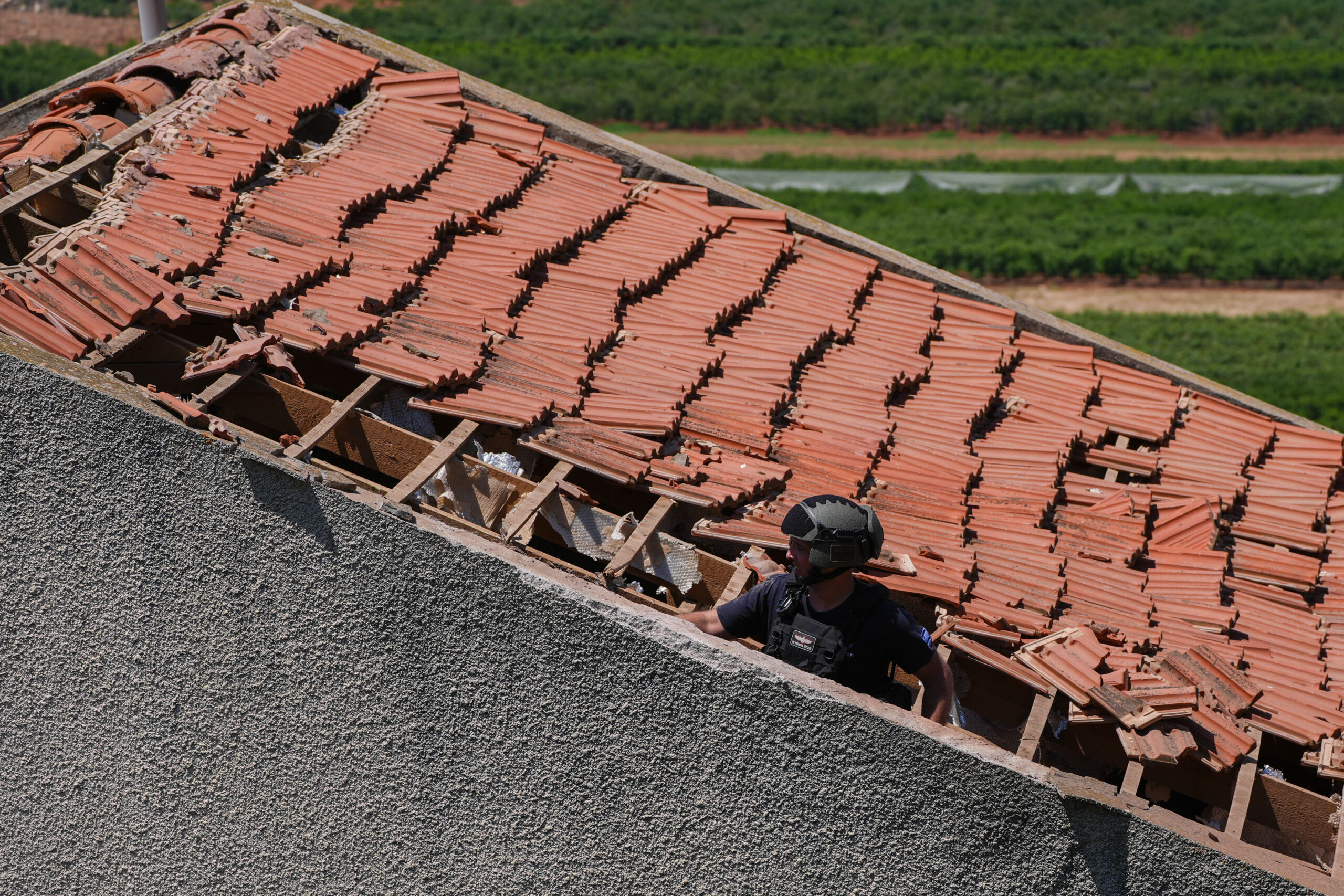
On May 25, 2026, Israel announced renewed strikes against Hezbollah in direct response to a string of ceasefire violations by the terror group. An unmanned aerial vehicle had slammed into a private home in Metula, a northern Israeli border community. An explosive drone tore into a school bus stop in the village of Shomera. And the day before, on May 24th, a soldier was killed by a suicide drone — the latest in a growing line of Israeli servicemen lost to these attacks.
Enter the Anti-Israel Brigade
Muslim pro-Palestinian activist Cenk Uygur rushed to social media to declare that Israel had “killed another peace deal” that was supposedly “95% done.” He then escalated to a full-throated accusation: “Israel is a terrorist government which has captured our government and media.”
Other professional anti-Israel commentators echoed Cenk’s claim—though it is completely false.
Hezbollah is not an independent actor. It is Iran’s proxy — funded, armed, and directed by Tehran. If Hezbollah chose to shatter the ceasefire in the middle of sensitive U.S.-Iran nuclear negotiations, the logical question isn’t why is Israel responding? It’s why did Iran’s proxy pull the trigger right now? If anyone sabotaged the deal, it was the side that started shooting.
But people like Cenk have only one reaction to world events: blame Israel.
Lebanon Is Not the Iran Deal
There’s a second layer of deliberate confusion worth untangling. Lebanon is not a condition of any prospective ceasefire or nuclear agreement with Iran. According to Iran’s own Fars news agency, the draft deal stipulates that the U.S. and its allies will not attack Iran or its allies — and in return, Iran pledges not to launch preemptive attacks on them. Hezbollah’s drone strikes against Israeli civilians are, by any definition, an attack. The violation came from Iran’s side of the ledger.
Washington Is Not Objecting
Here’s what the “Israel is sabotaging the deal” narrative cannot explain: the Trump administration is not actively supportive of Israel’s response. On May 25th, a senior U.S. official signaled that Washington could soon greenlight a larger Israeli military operation against Hezbollah in Lebanon. Prime Minister Benjamin Netanyahu confirmed that in a direct call with President Trump, Trump “reaffirmed Israel’s right to defend itself against threats on every front, including Lebanon.”
The day before, Secretary of State Marco Rubio issued a pointed statement: the U.S. stands firmly with Lebanon’s legitimate government, Hezbollah’s campaign of violence and intimidation will not be allowed to succeed, and “the era in which a terrorist group held an entire nation hostage is coming to an end.” In a separate press conference, Rubio affirmed Israel’s right to prevent attacks from Hezbollah and defend against them.
Those are not the words of an administration that believes its ally is blowing up its diplomacy.
What’s at Stake in Lebanon Itself
Rubio’s statement came in direct response to remarks from Hezbollah chief Naim Qassem, who publicly urged the Lebanese people to take to the streets and overthrow their own government. That government is led by President Joseph Aoun, a Maronite Christian — and if Hezbollah succeeds in toppling it, Lebanon will become a de facto Islamist state under the thumb of a designated terrorist organization.
Aoun himself has asked for international help in disarming Hezbollah. He blames the terror group for deliberately drawing Israel into conflict, using Lebanese civilians as human shields and Lebanese soil as a launching pad. He is currently preparing for a fourth round of direct Israeli-Lebanese government talks — historic negotiations aimed at restoring Lebanese sovereignty in the country’s south for the first time in decades, paired with a staged withdrawal of Israeli Defense Forces.
In other words, Israel’s campaign is not destabilizing Lebanon. Hezbollah is destabilizing Lebanon — and Israel, alongside the Lebanese government, is working to end it.
The Final Data Point
On May 25, 2026 — the very same day Israel struck Hezbollah — the United States launched its own “self-defense” strikes inside Iran itself, targeting missile launchers and boats. Direct American strikes on Iranian soil. And yet: the ceasefire held. The deal did not die.
If U.S. missiles hitting Iranian targets didn’t kill the deal, what exactly is the argument that Israel defending its northern border from drone attacks would?
Bottom Line
Hezbollah broke the ceasefire. The Trump administration backs Israel’s response. The Lebanese president is begging for help disarming Hezbollah. The U.S. struck Iran directly and the deal survived. But none of that registers because it doesn’t fit the narrative that was written long before this week, long before October 7th, long before any of it.
For people like Cenk Uygur, Israel is not a country making difficult decisions in the world’s most dangerous neighborhood. It is the world’s only villain, and no amount of evidence, context, or inconvenient reality will ever change their minds.
Sources
Times of Israel, Cenk Uygur, JNS, L’Orient Today, Reuters, Secretary Marco Rubio, X, Jerusalem Post, Fox News