| THE LIE Israel is a water-scarce desert nation with nothing to offer the world – a country perpetually on the brink of running dry, dependent on outside resources just to survive. |
| THE TRUTH Israel was on the brink of a water catastrophe as recently as the mid-2000s. It solved that crisis through ground-breaking innovation in drip irrigation, wastewater recycling, and desalination – and now exports water to its neighbors supplying water to an estimated 1 billion people globally through its irrigation technology. A country of fewer than 10 million people, ranked 149th in the world for rainfall, reversed a 1-billion-cubic-metre annual water deficit and is now exporting its water solution to the world. |
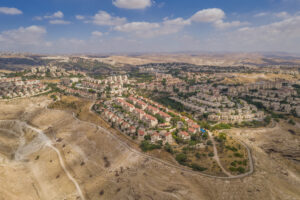
| BACKGROUND Israel is more than half desert and ranks 149th globally in annual rainfall. Its one natural lake, the Sea of Galilee, repeatedly hit critical lows through the 2000s, and by mid-decade Israel faced a water deficit that threatened agriculture and population growth. Rather than ration or collapse, Israel launched a decades-long national strategy combining three technologies – drip irrigation, wastewater recycling, and desalination – that reversed the deficit entirely. Israel now exports water to both Jordan and the Palestinian Authority from its surplus. INSS Iran is currently facing a water crisis so severe it is contemplating relocating its capital city. Meanwhile, Israel has offered to share its desalination technology with the Iranian people. Daily Wire |
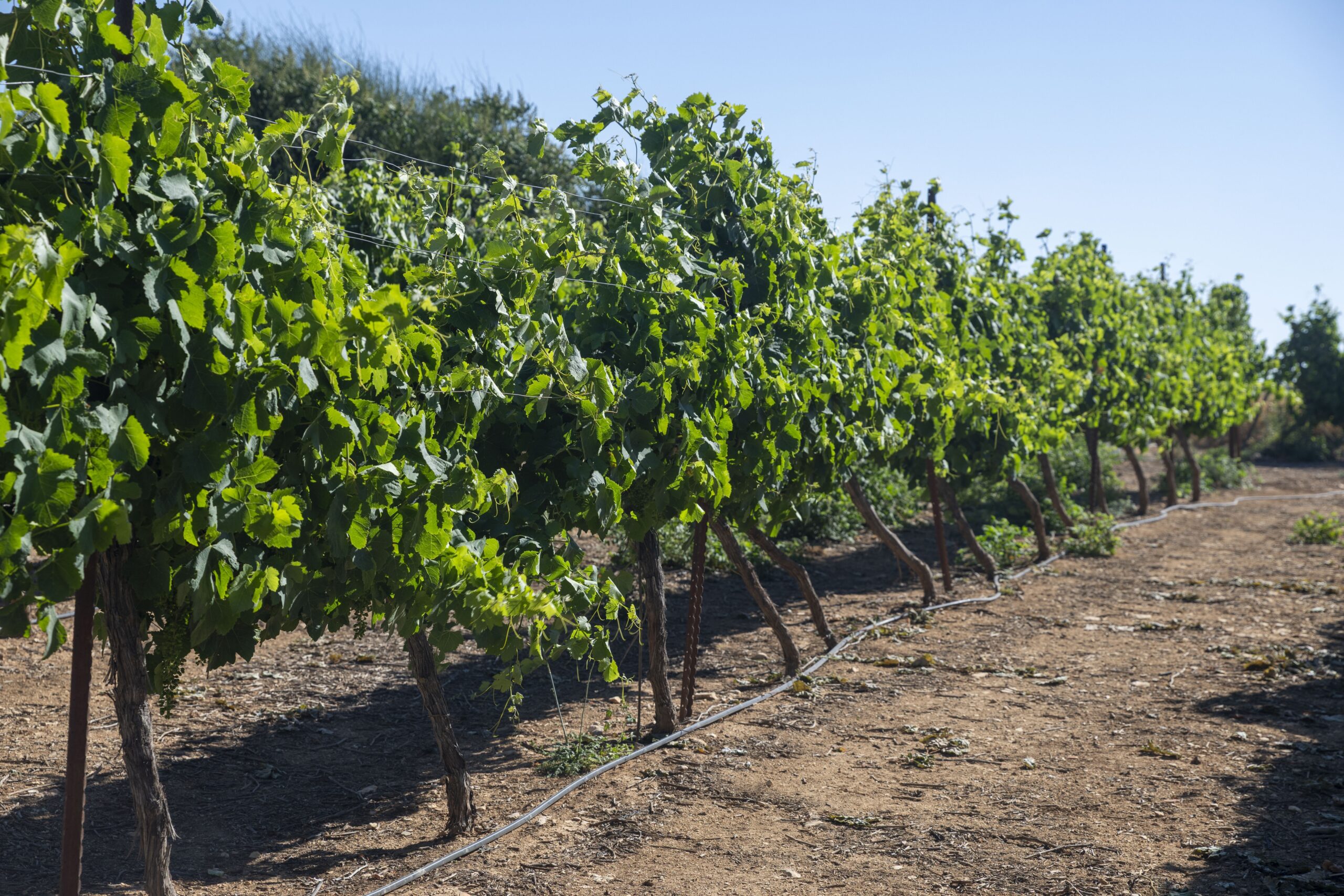
| TRUTH EXPLAINED In 1959, Israeli engineer Simcha Blass developed drip irrigation, a system that delivers water directly to each plant’s root zone rather than flooding fields. Commercialized through Netafim in 1965, the technology reduces water consumption by up to 60% and increases crop yields by up to 90% compared to traditional methods. Israeli irrigation technologies now help feed an estimated 1 billion people worldwide, from Italy and Turkey to India. Jewish Virtual Library Israel recycles approximately 86% of its wastewater for agricultural reuse, the highest rate of any country on earth. The next closest is Spain at 17% Israel is five times more efficient. Today, half of all irrigation water used in Israel is treated wastewater that would otherwise have been discarded. Jewish Virtual Library Israeli advances have reduced desalination costs to one-third of what they were in the 1990s, making it viable for countries that previously could not afford it. IDE Technologies, an Israeli firm, has deployed approximately 400 desalination plants across 40 countries, producing 2 million cubic metres of potable water per day globally. An Israeli company also designed what is described as America’s largest, most technologically advanced seawater desalination plant in San Diego – delivering nearly 50 million gallons of water per day, enough to serve approximately 400,000 people. Team-provided: Dailywire Israeli company Watergen has developed technology that pulls drinking water directly from the air using solar energy. It is currently operating in 65 countries – including rural villages in Central Africa, hospitals in Gaza, everyday clean water access in the western United States, and wildfire response vehicles in California. Washington Institute Israel’s AgTech startup ecosystem extends the water revolution into precision farming. Tel Aviv ranks among the top cities globally for science and clean technology innovation. Israeli startups are deploying drones to assess tree health across farms in Africa and Asia, and Israeli researchers have partnered with Jordanian and Palestinian farmers on joint barn owl programs – deploying natural predators instead of pesticides – that have cut rodenticide use significantly across the region. Washington Institute India’s Prime Minister Modi, when he was Chief Minister of Gujarat, specifically sought out Israeli drip irrigation and desalination technology for his state – one of the earliest practical expressions of what became a deep India-Israel technology partnership. The World Bank projects global food production will need to increase 70% or more to meet demand over coming decades – a gap Israeli firms are explicitly targeting. [Financial Times]. Dailywire |
| QUOTES “Over 2 billion people live in water-stressed regions around the globe, and that number is expected to reach as high as 5 billion by 2050.” – Washington Institute for Near East Policy, ‘Israel’s Water-Saving Innovations Are Helping Countries Address Global Shortages’ |
| TAKEAWAY Israel had no natural water advantage. It built one. Drip irrigation, desalination, and wastewater recycling were developed because scarcity left little room for failure. Today, those technologies help supply water far beyond Israel’s borders. Calls to isolate Israel rarely reckon with that reality: cutting off Israeli innovation also means cutting off tools millions of people around the world depend on. |