| THE LIE Netanyahu dragged out the war against Hamas to save his political career. He never seriously pursued a hostage deal. Israel, not Hamas, stood in the way.Hamas was ready to release every hostage. |
| THE TRUTH Hamas was the obstacle all along. Brett McGurk, President Biden’s own lead hostage negotiator, now confirms that Hamas never intended to release the hostages and that no deal was possible until Israel killed Yahya Sinwar. |
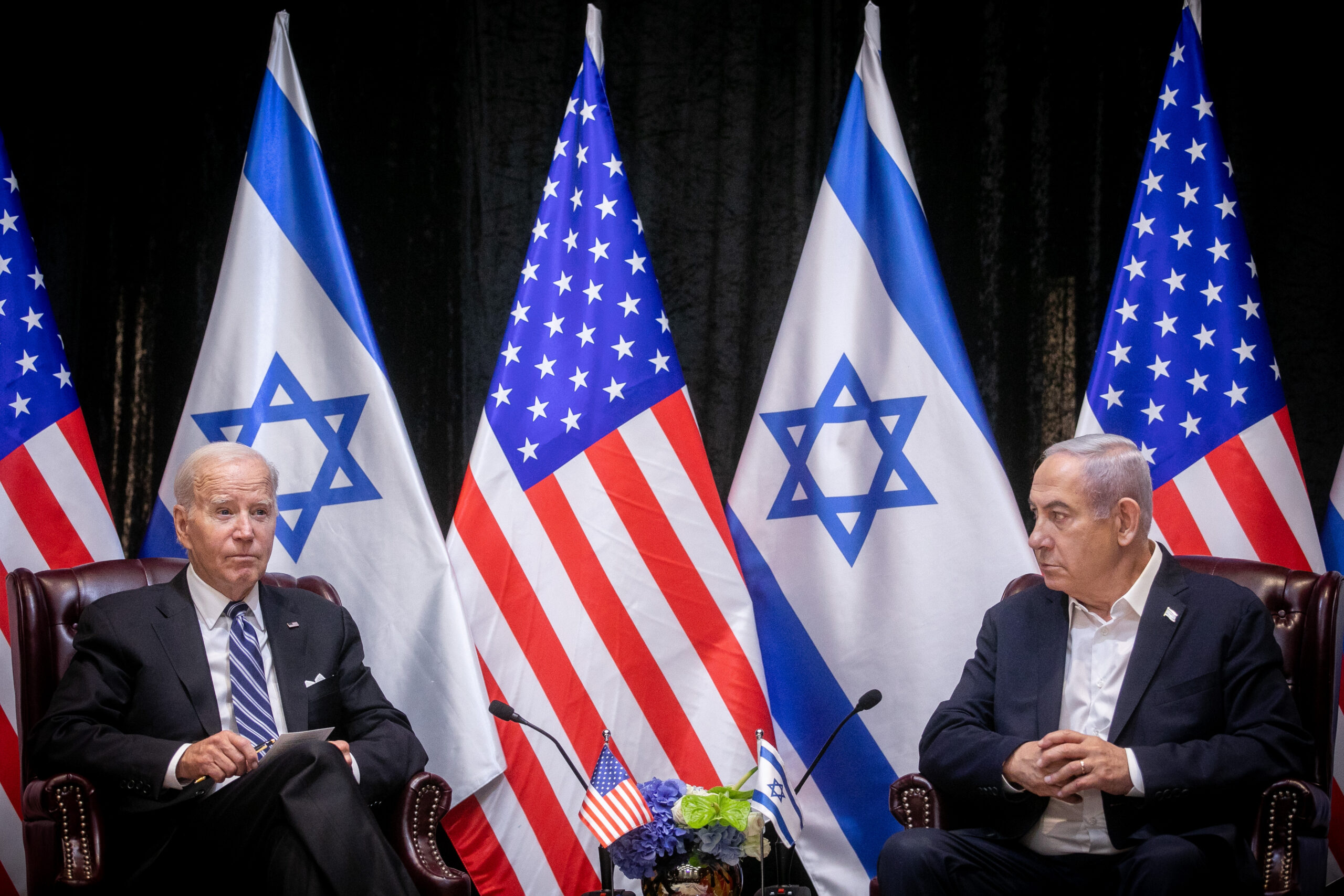
| BACKGROUND On October 7, 2023, Hamas invaded Israel, murdered about 1,200 people, and kidnapped about 250 hostages into Gaza. The U.S., Qatar, and Egypt began working on a deal to bring them home. Brett McGurk, Biden’s top Middle East adviser, led the American efforts. On May 31, 2024, Biden announced a three-phase deal from the White House and presented it as an Israeli proposal. Days earlier, Time asked whether Netanyahu was dragging out the war to survive politically. Biden answered: “There is every reason for people to draw that conclusion,” though he later softened it, telling reporters “I don’t think so.” Times of Israel In late August 2024, Hamas terrorists shot six hostages in the head in a Rafah tunnel as Israeli forces closed in. Among the murdered was American Hersh Goldberg-Polin. Days later, on September 2, a reporter asked President Biden whether Netanyahu was doing enough to reach a deal. Biden answered: “No.” Hamas immediately seized on his words, with a senior official calling them American recognition that Netanyahu was sabotaging the talks. In January 2025, in the final days of the Biden administration and just before Trump took office, Israel and Hamas signed a ceasefire deal, and the hostages began coming home. This week, McGurk laid out the full story of those negotiations in his new book, Brink, and in an interview on Dan Senor’s Call Me Back podcast. |
| TRUTH EXPLAINED Hamas was never going to free all of the hostages. According to McGurk, the claim that Hamas would free all the hostages is “complete BS.” From the start, Hamas demanded the release of every Palestinian prisoner held in Israel, a permanent ceasefire, and a return to the October 6 status quo with Hamas still in power. “No Israeli government was ever going to accept that,” McGurk said, stressing that this was not just Netanyahu’s position: “That was everybody.” Yahya Sinwar, he added, planned to hold the hostages for years. JNS Hamas broke the first ceasefire. Under the November 2023 truce, Hamas released hostages in daily groups, with each group buying one more day of calm. When the only women left to release were young women, Hamas refused to free them and offered older men instead. Israel was willing to extend the truce for as little as one more name. Hamas still refused, and the ceasefire collapsed. “Hamas broke the deal,” McGurk said. In his account, Romi Gonen, Emily Damari, and Doron Steinbrecher should have come home that November. Instead, they spent 14 more months in captivity in Gaza, until January 2025. Call Me Back A UN vote handed Hamas leverage. On March 25, 2024, the U.S. abstained on Security Council Resolution 2728, allowing it to pass. The resolution called for both a ceasefire and the release of the hostages, but it did not make the ceasefire conditional on the hostages coming home, and it did not condemn Hamas. Israel’s UN ambassador warned that the resolution “gives Hamas terrorists hope to get a ceasefire without releasing the hostages.” Times of Israel McGurk later acknowledged that the vote “did not produce a ceasefire” and played “extremely negatively” in the negotiations. Call Me Back Biden pressured the wrong side. In April 2024, an Israeli drone strike mistakenly killed seven World Central Kitchen aid workers in Gaza. Instead of pressing Hamas, Biden turned on Israel and threatened to change U.S. policy. In May, he warned Israel to stay out of Rafah, Hamas’s last stronghold, and withheld a shipment of heavy bombs. None of it brought a single hostage home. McGurk says cutting off Israel “would not have ended the war” and “would not have gotten any hostages home.” Israel defied the pressure, went into Rafah, and killed Sinwar there five months later. Call Me Back Israel said yes. Hamas said no. On May 31, 2024, Biden announced a hostage deal and called it Israel’s proposal. The UN Security Council endorsed it on June 10, noting that Israel had accepted and calling on Hamas to do the same. Hamas answered the next day with changes that Secretary of State Blinken called unworkable. In August, the U.S. offered a revised proposal. Blinken announced that Netanyahu accepted it. Hamas rejected it. McGurk told the Jerusalem Post this was the pattern throughout the war: Israel said yes, Hamas held out. Jerusalem Post Biden blamed Netanyahu. His own negotiator blamed Sinwar. On September 2, 2024, two days after six hostages were found executed in a Gaza tunnel, a reporter asked Biden if Netanyahu was doing enough to get a deal. Biden answered: “No.” Hamas seized on it immediately, with a senior official calling it American recognition that Netanyahu was undermining the talks. Times of Israel. That same day, inside the White House Situation Room, McGurk reached the opposite conclusion: as long as Sinwar held the keys, “we were not going to get a deal.” He was right. A deal came only after Israel killed Sinwar, eliminated Hezbollah leader Hassan Nasrallah, crushed Hezbollah, and struck Iran. Jerusalem Post |
| QUOTES “Hamas broke the deal.” – Brett McGurk, former White House Middle East coordinator”We’re not going to get a hostage deal until Yahya Sinwar is dead. It’s completely irreconcilable.” – Brett McGurk |
| TAKEAWAY For three years, the world was told Israel was the obstacle to bringing the hostages home. Campuses repeated it. The UN acted on it. Much of the media built its coverage around it. President Biden gave it his voice, and Hamas used his words as a weapon. Now Biden’s own negotiator has confirmed what Israel said from the start: Hamas never wanted a deal, and only Israeli strength brought the hostages home. The truth came too late for the hostages who died waiting. It must not come too late to set the record straight. |