On June 1, 2026, Buckley Carlson — who, like his brother Tucker, is strongly anti-Israel — posted a poll asking which country shares more cultural, religious, and moral common ground with Americans: Israel or Russia. The implication was that Russia is closer aligned to the United States than Israel is. The post ignited a fierce debate about Christian religious freedom in both countries, with some also criticizing Candace Owens for recently praising Russia’s supposed tolerance of Christianity.
The facts, however, tell a different story. Israel is more welcoming and tolerant toward Christians than Russia — in terms of open worship, legal protections, and the treatment of minority Christian groups.
Freedom to Worship
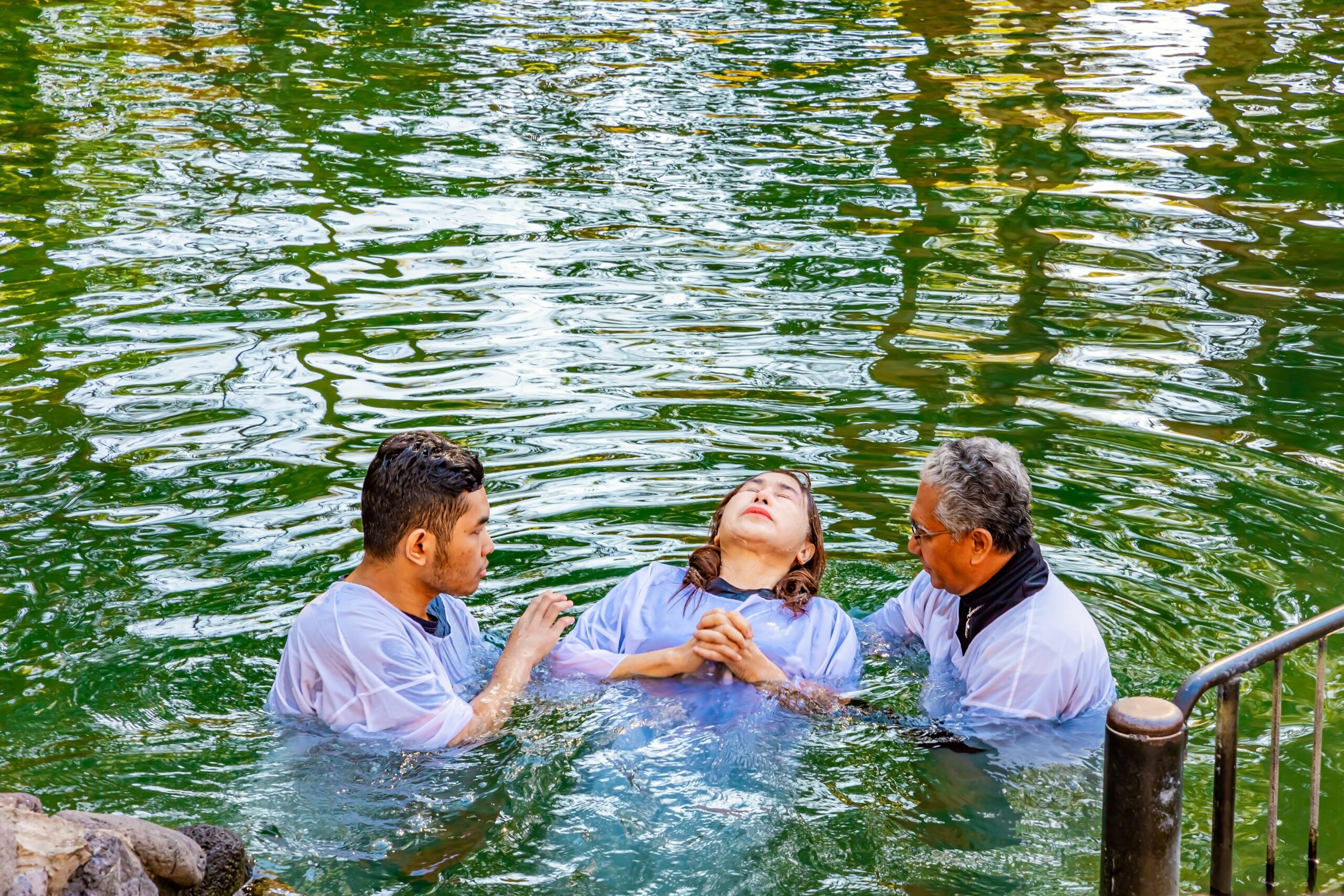
In Israel, Christians can build churches, hold public services, preach, and celebrate their faith without restriction. Holy sites such as the Church of the Holy Sepulchre are not only accessible but legally protected. Israel stands as the only country in the Middle East where the Christian population is actually growing — currently around 180,000–185,000 people, a roughly 400% increase since Israel’s founding in 1948. In a 2024 survey, 84% of Israeli Christians reported satisfaction with life in the country. Christians worship freely, proselytize, run their own schools and churches, serve in the military, hold diplomatic posts, and enjoy unrestricted access to some of the holiest sites in all of Christendom.
Russia presents a stark contrast. The government strongly favors the Russian Orthodox Church, which most Russians identify with culturally. Non-Orthodox Christians — including evangelicals, Protestants, Catholics in some contexts, and Jehovah’s Witnesses — face significant restrictions. Missionary work typically requires special government permission, and religious activities conducted outside official church buildings can result in fines or raids. A Baptist or evangelical congregation that could operate openly in Israel would, in Russia, often face bureaucratic obstacles or outright legal trouble.
Russia also uses broad “anti-extremism” laws to restrict or outright ban many Christian groups, conducting house-church raids, imposing fines, and limiting both evangelism and ties to foreign religious organizations. The U.S. Commission on International Religious Freedom (USCIRF) consistently designates Russia a Country of Particular Concern because of these violations.
The situation is even more severe in Ukrainian territories under Russian occupation. Russian forces have banned religious groups, criminalized religious materials, and raided houses of worship. While some Russian-abducted Ukrainian religious leaders have been returned, others have reportedly been killed or imprisoned. In February 2025, Russian forces allegedly abducted and tortured to death Stepan Podolchak, a priest with the Orthodox Church of Ukraine. In August 2025, a court in Russian-occupied Ukraine sentenced Ukrainian Orthodox Church priest Kostiantyn Maksimov to 14 years in prison for espionage — after he was arrested in May 2023 simply for refusing to transfer his parish to the Russian Orthodox Church of the Moscow Patriarchate. Ukrainian NGOs have documented damage to hundreds of religious sites since the war began in February 2022.
Legal Protections
Israel’s commitment to religious freedom is built into its founding documents. The Declaration of Independence enshrines freedom of religion, and the 1967 Protection of Holy Sites Law protects Christian holy sites. Christians serve in the Israel Defense Forces, hold political representation, and run their own institutions. The Israeli government condemns attacks on Christians.
In Russia, the legal landscape works against religious minorities, particularly evangelicals and Jehovah’s Witnesses. The 2016 Yarovaya Law — commonly known as the “anti-missionary law” — restricts sharing one’s faith, inviting others to religious services, and distributing religious materials without prior government approval. Combined with sweeping anti-extremism legislation, this gives Russian authorities wide latitude to target any religious group that falls out of favor.
Religious Practice
Actual religious practice in each country further illustrates the difference in environment. In Russia, 55% of the population does not attend religious services at all. Of those who do, only 16% attend at least once a month, another 16% attend every few months, and 7% go roughly once a year or less.
Among Christians in Israel, the picture is very different: about a third (34%) pray daily, and 38% attend church at least once a week — numbers that reflect the kind of open, active religious life that genuine freedom of worship makes possible.
Bottom Line
Israel stands out as by far the most tolerant and welcoming place for Christians in the entire Middle East — and clearly more supportive of Christian freedom than Russia. Israel publicly condemns and polices the harassment of Christians, while the Israeli government protects Christian worship, holy sites, and full civil rights for all denominations. Christians in Israel enjoy complete legal freedom, can openly practice and grow their communities, and live as equal citizens in the region’s only true democracy.
In sharp contrast, Russia actively restricts non-Orthodox Christians through harsh laws, raids, fines, and favoritism toward only one church. For Christians who value genuine religious liberty — especially evangelicals, Protestants, Catholics, and other minority groups — Israel is demonstrably the better and freer choice. Israel doesn’t just tolerate Christianity; it safeguards the very biblical lands and holy sites at the heart of the Christian faith.
Sources
CBS, CBS, Algemeiner, Buckley Carlson, USCIRF, State Department, Israeli Ministry of Foreign Affairs, Knesset, TOI, CNN, TOI, OHCHR, Evangelical Focus, Wikipedia